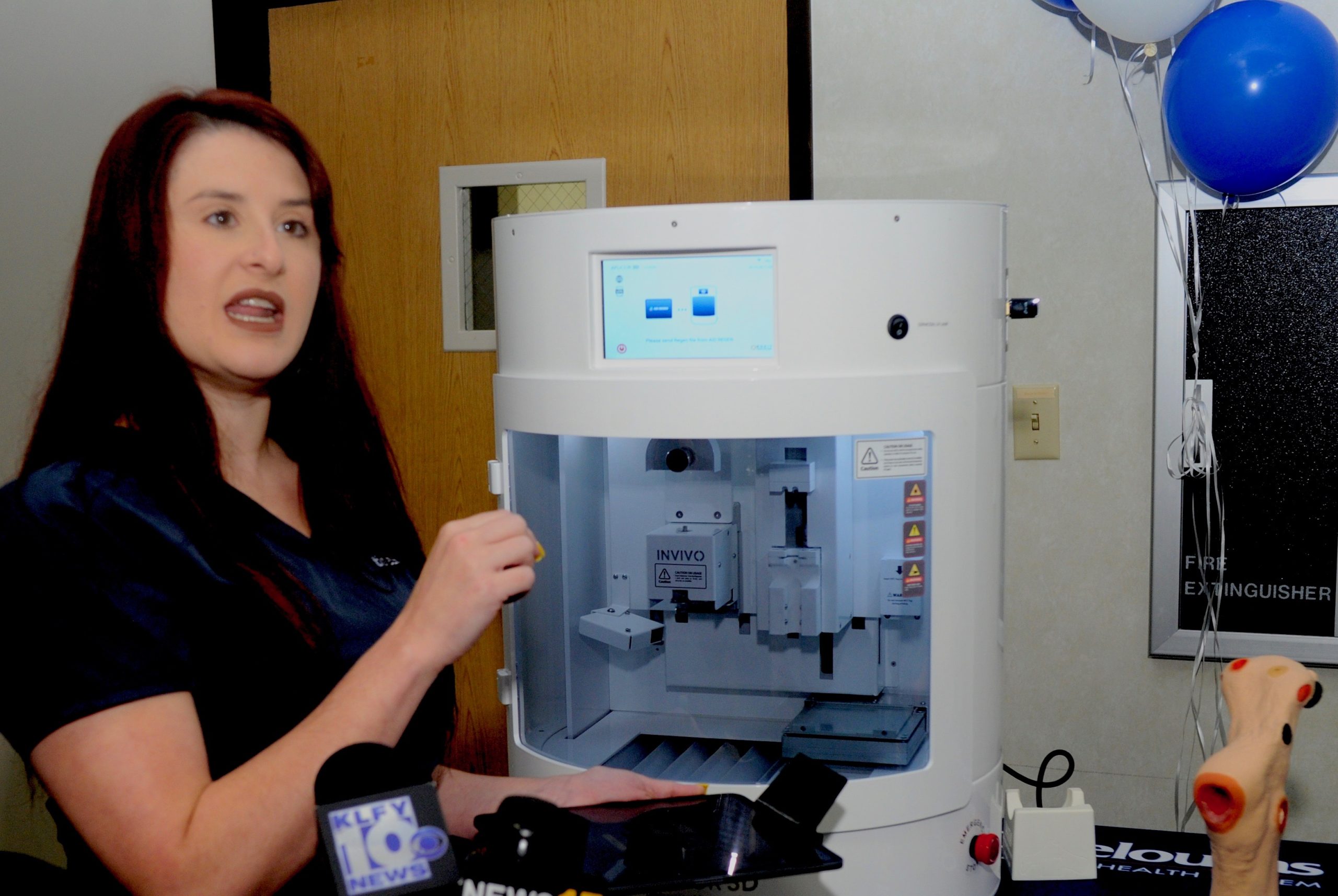
OGH Unveils First-In-State Wound Care
BOBBY ARDOIN
St. Landry Now.com Editor
George Lieux and Kim Vidrine were both expressing frustrations earlier this year as they monitored their wounds that were seemingly unresponsive to traditional healing processes.
That problem changed suddenly for each of them, they said on Wednesday, after undergoing what Opelousas General Hospital officials described as a first-in-state procedure that uses a cutting edge tissue regeneration method introduced by a Lafayette-based biotechnology company that specializes in wound care.
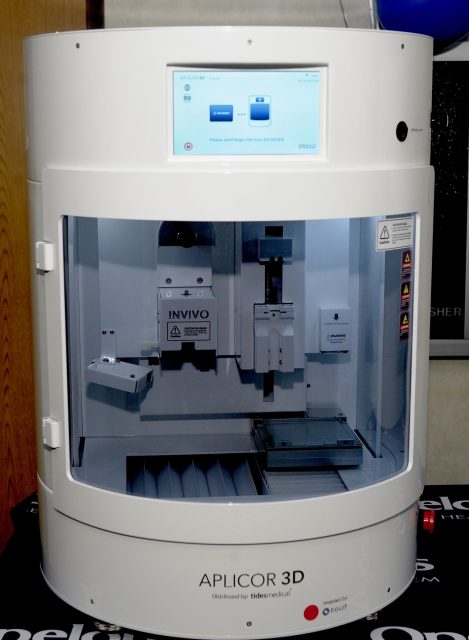
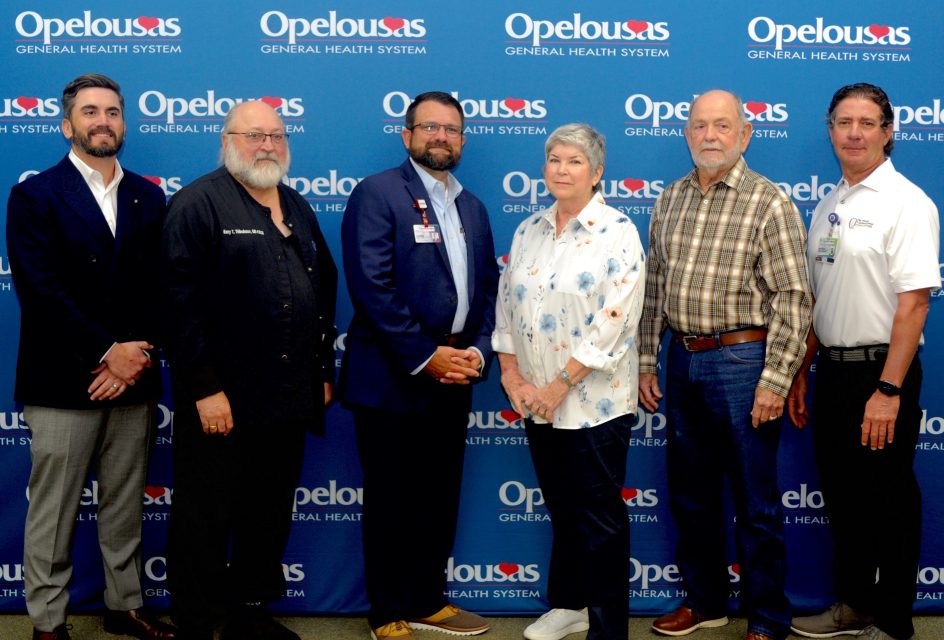
Lieux and Vidrine told an audience at a late morning press conference held at the OGH Health Systems auditorium that months ago they were introduced to the Tides Medical APLICOR 3D process at OGH, which utilizes a personalized skin grafting and regeneration method that relies a person’s own body fat and biological support to accelerate and significantly heal wounds.
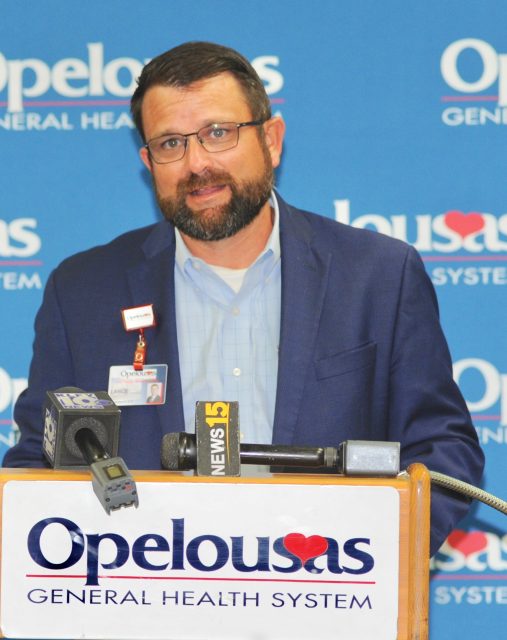
OGHS CEO Lance Armentor described the recently-developed wound care technology as, “something out of Star Trek. We are seeing history in the making.
“From the moment I saw it, I knew I wanted to see it in Opelousas. I wanted to bring something to our hospital that was going to be used in Louisiana for the first time,” Armentor said.
Armentor said he and other officials later met with APLICOR COO Doug Payne as Payne and company officials provided a demonstration before they began several months ago, a partnership in connection with the wound healing process.
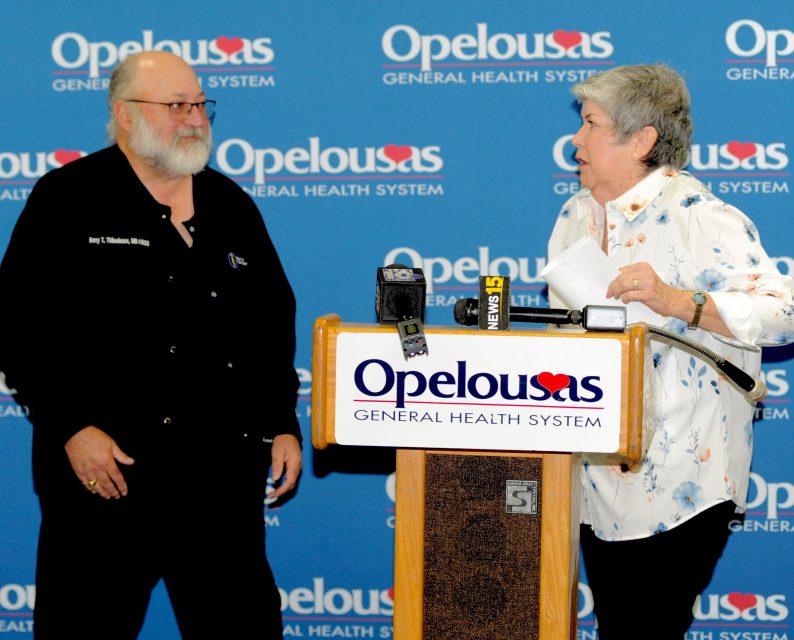
Dr. Kerry Thibodeaux, a surgeon and wound care specialist at OGH, called the APLICOR method “The Holy Grail of wound care.”
Thibodeaux said the 3D process primarily involves harvesting body fat and using a fat in a regeneration technique that once completed, allows the wound to heal more rapidly and completely.
OGH, Thibodeaux said, employs a team of nurses who are responsible for helping him with the grafting procedure that involves a liposuction-style harvesting which pushes through body fat in order to obtain tissue. That part of the fat collection process follows a tissue washing method that once completed is applied to the wound area.
Sierra Poirier, a nurse that has assisted with the procedure that also involves an incision, said patients normally see a significant reduction in their wounds within two weeks,
Poirier noted that skin graft taken from the patient is the same shape as the wound and is transferred to the wound area and secured with tape or a strap for about a week.
“You’re going to see about a 50 percent reduction in the wound within two weeks,” Poirier said.
Patient Testimonies
Lieux, an Arnaudville resident, said he was driving back from a hunting camp located in Hackberry when he stopped to repair a flat tire. A wound developed on his leg afterward, Lieux said, but after undergoing traditional treatments, his wound kept reopening for six weeks.
“I came (to OGH) and they told me about this new process where they take belly fat and apply it to your wound. The outcome has been nothing short of remarkable and now I’m rocking and rolling,” said Lieux.
Vidrine, who lives in Scott, said she developed a wound after riding on an ATV. One morning Vidrine said she heard Thibodeaux explaining the 3D wound process on a Lafayette television show and decided she would try it.
“I always felt comfortable with it and I saw results immediately with no pain and antibiotics,” Vidrine added.