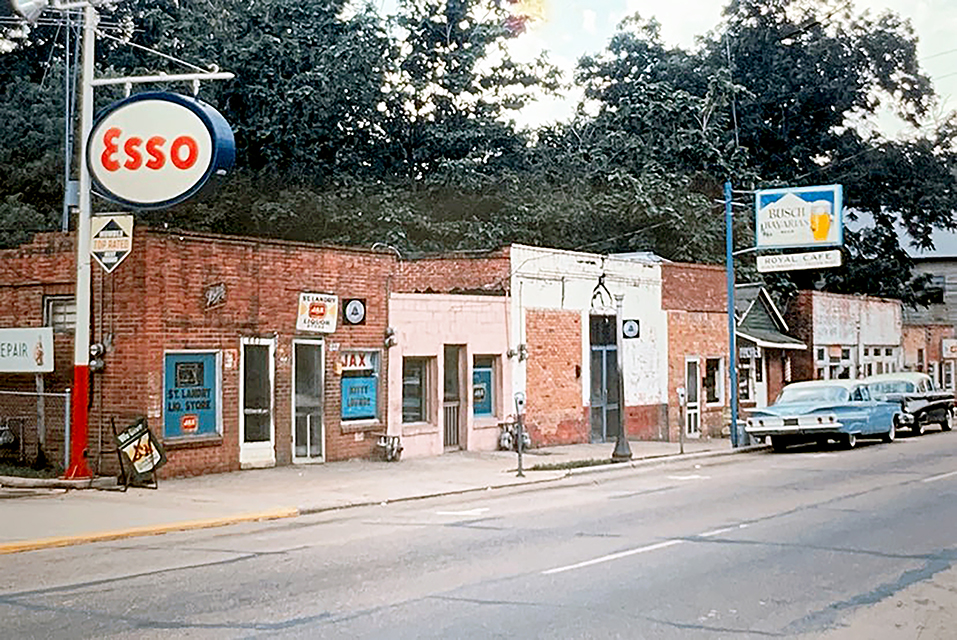
Feature Photograph: Landry Street in downtown Opelousas in c.1956, when the commercial center was at its best. But that was not to last.
Carola Lillie Hartley
Publisher and Contributing Writer
The story on the old downtown, the heart of Opelousas, continues where we left off at the end of the 1950s, 1960s and 1970s decades.
From its beginning as a community and for several decades, Opelousas was known for its thriving downtown. It was THE commercial center for a vast area of southwest Louisiana. By the end of the 1950s decade, the downtown center had become a booming place. And then it happened. That boom was not to last.
Retail Merchants Association – National Brands and Strip Malls – Business Exit
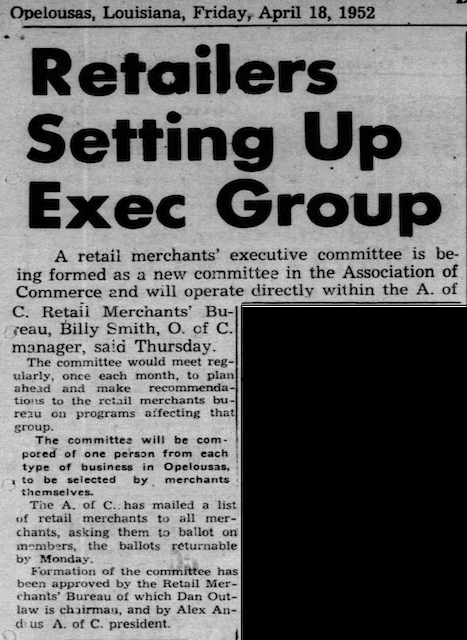
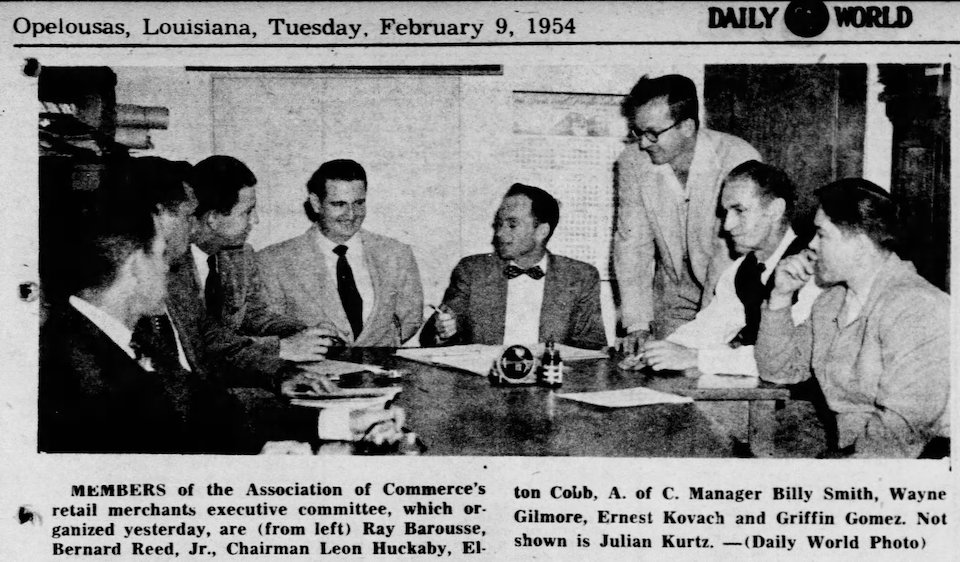
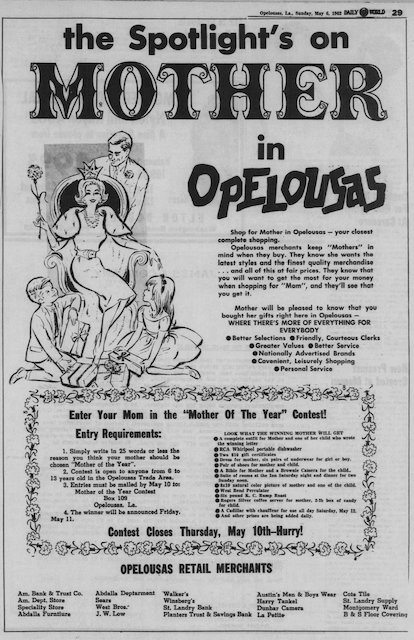
In the 1950s decade as part of the Association of Commerce the retail merchants in downtown Opelousas formed the Opelousas Retail Merchants Committee/Association. The group worked together to promote each other and to promote shopping in the downtown.
Towards the end of that decade the first large national brand stores and strip malls were built in Opelousas outside the downtown area.
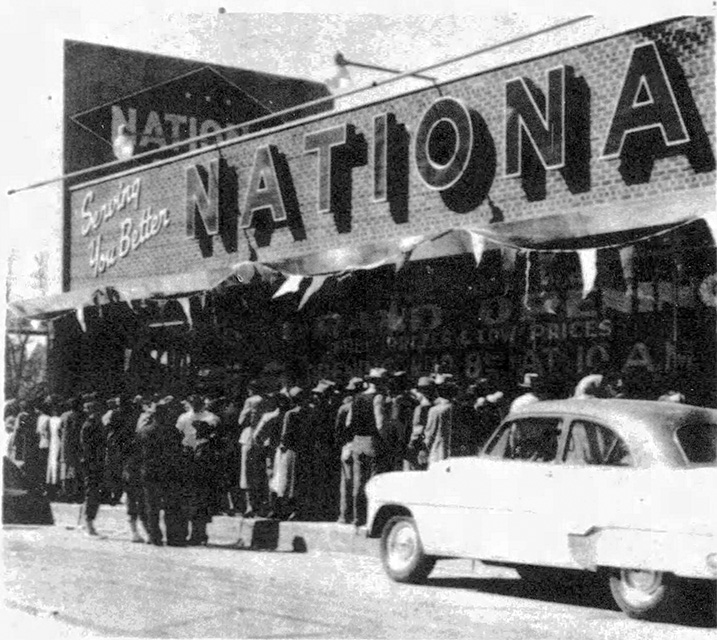
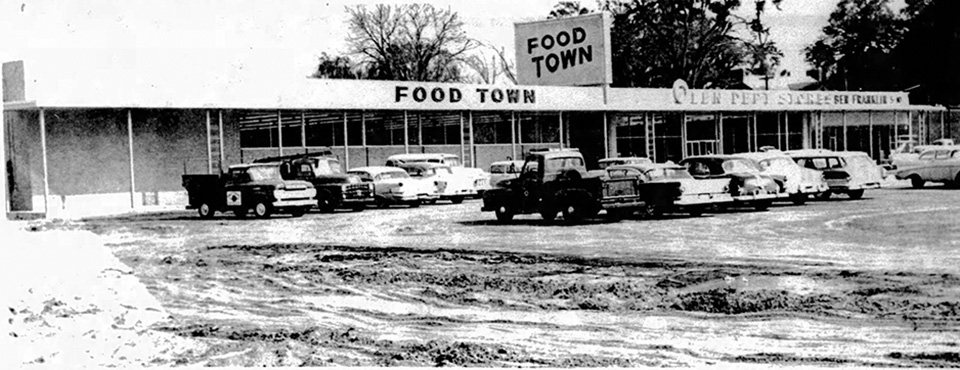
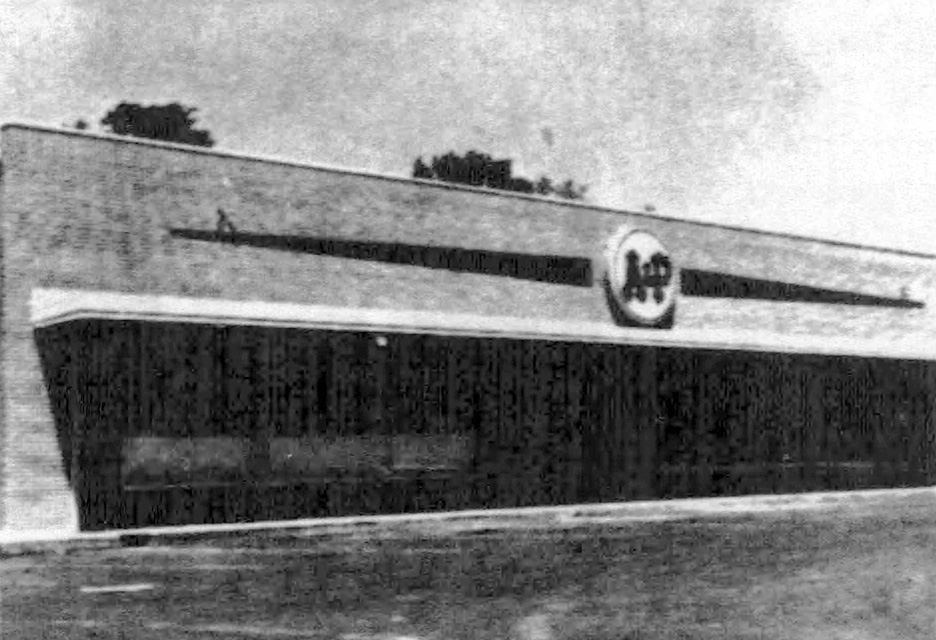
These strip malls had a large destination business, usually a grocery store, that was surrounded by smaller shops and offices. Soon some of the downtown businesses began to move from their old locations into the new strip malls in the north and south parts of town.
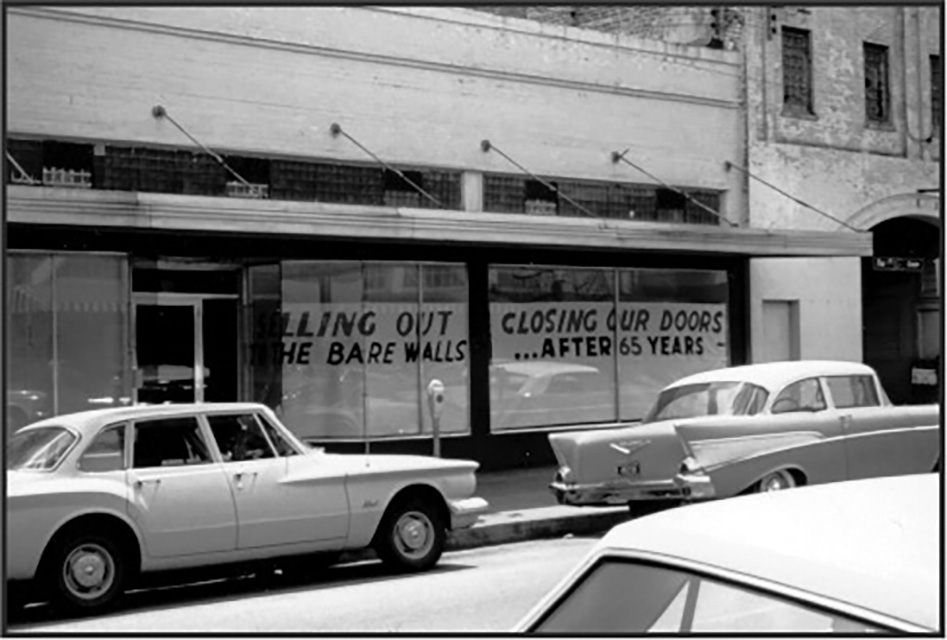
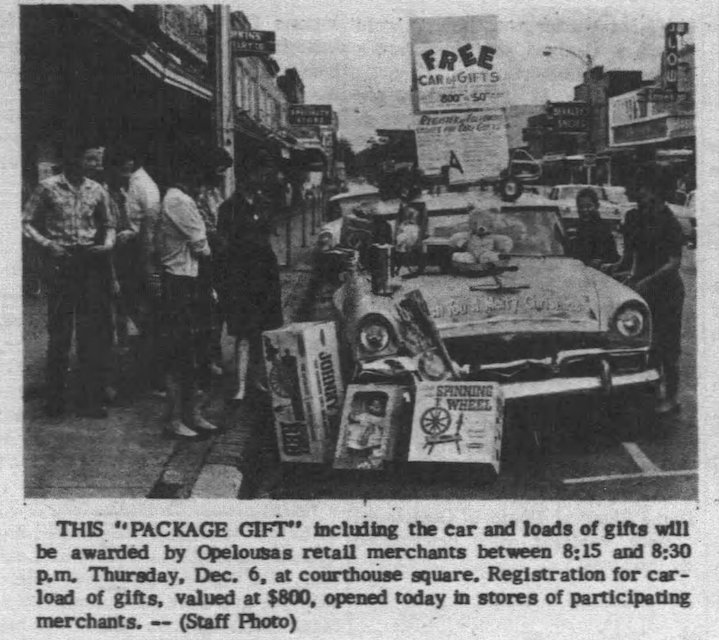
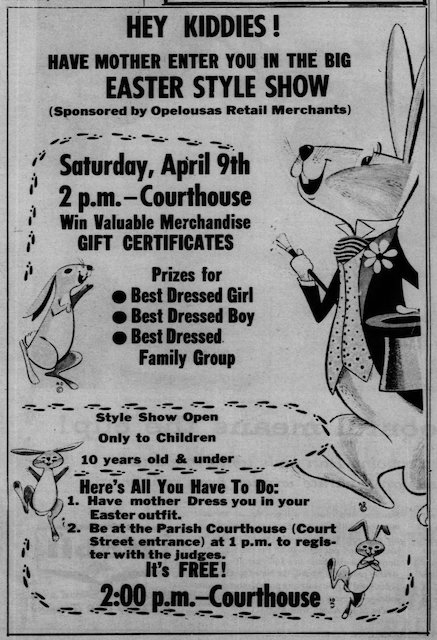
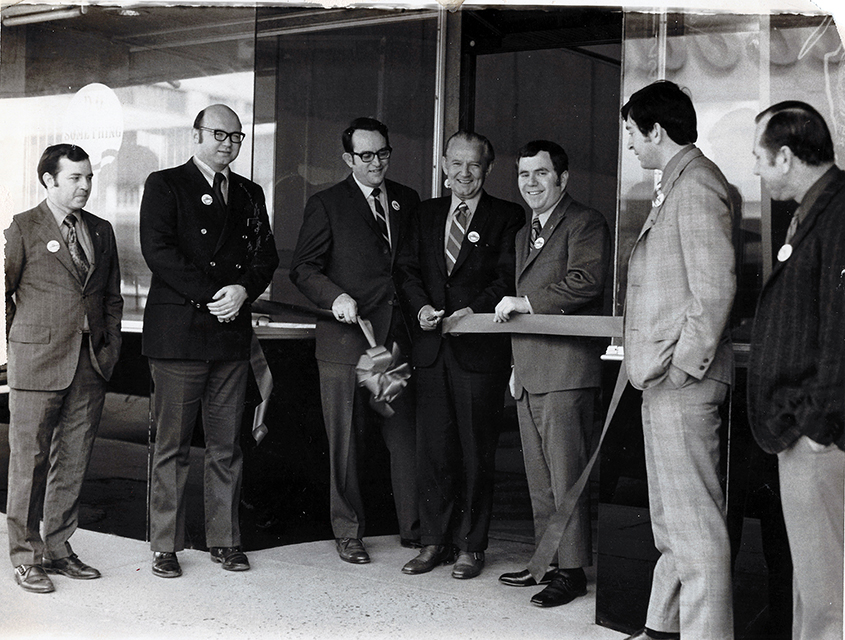
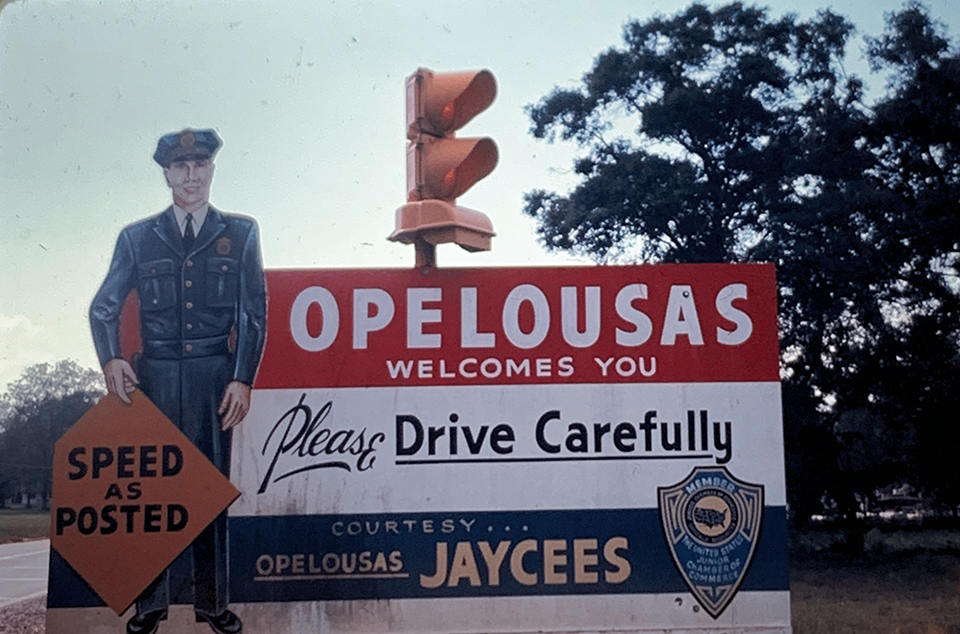
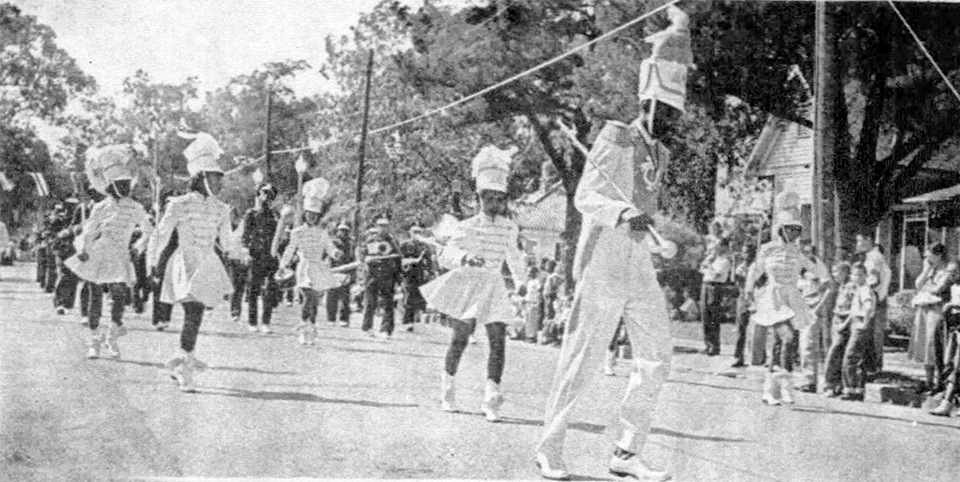
During the 1960s and early 1970s, community leaders realized the downtown commercial district was beginning to decline. In an effort to attract new businesses and to reverse the growing trend to shop outside of the district, the Greater Opelousas Chamber of Commerce immediately took action and went to work with the Opelousas Retail Merchants Association. That group of downtown businesspeople partnered with other civic organizations like the Opelousas Jaycees, Kiwanis Club, Rotary Club, Lions Club, Civic League, Woman’s Club and others. They held regular meetings and planned retail sales and events, hoping to get more area citizens to shop in the downtown. There were parades, sidewalk sales, Do Something and cooperative advertising campaigns, live radio shows and other activities.
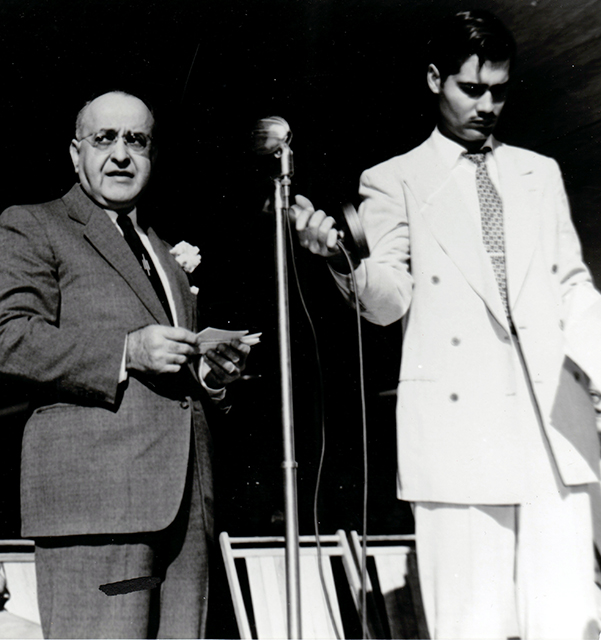
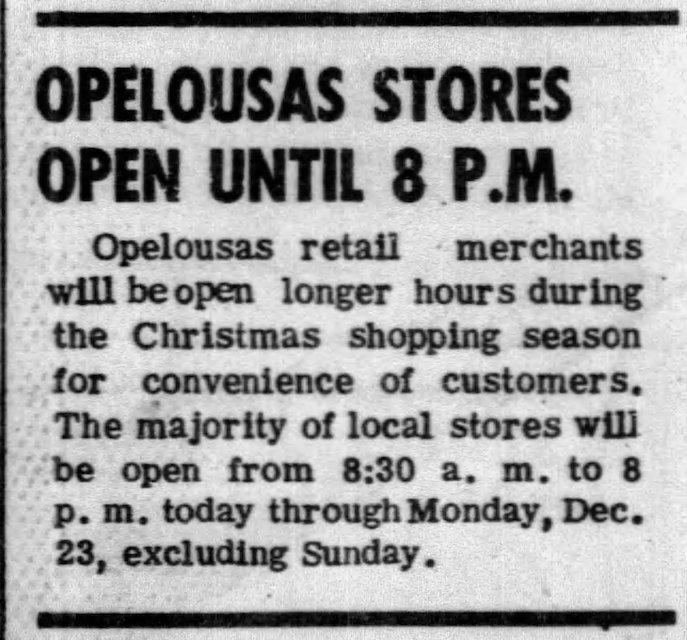
There were Mother’s Day, Father’s Day and Christmas giveaways and much more. Plus, they opened later at certain times so people had more time to shop.
(Carola Lillie Hartley collection.)
Opelousas History, Preservation and Tourism
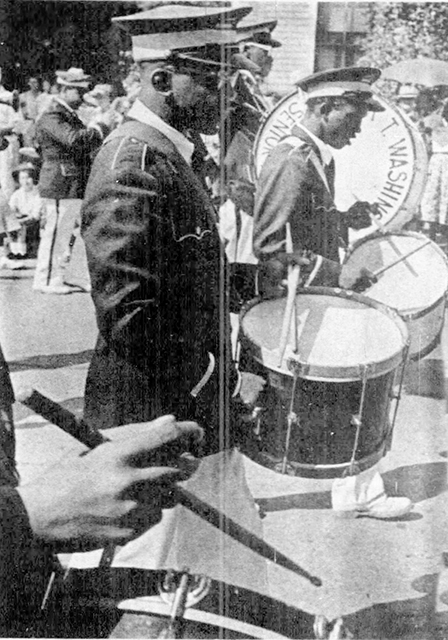
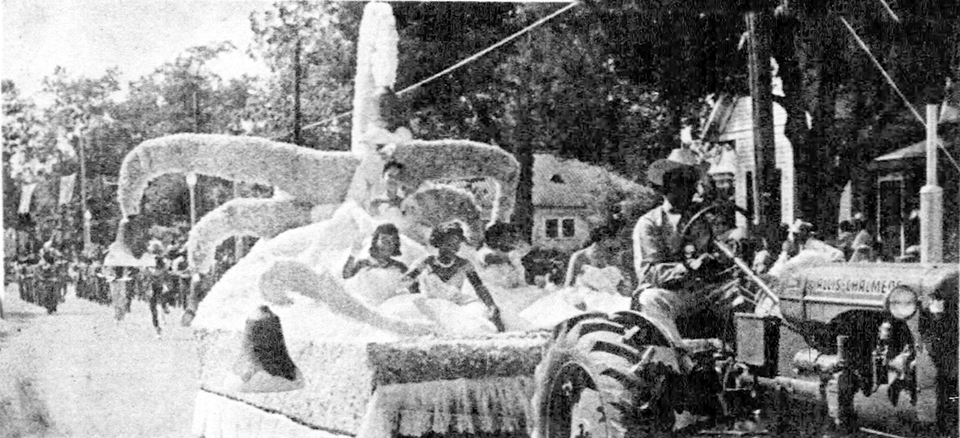
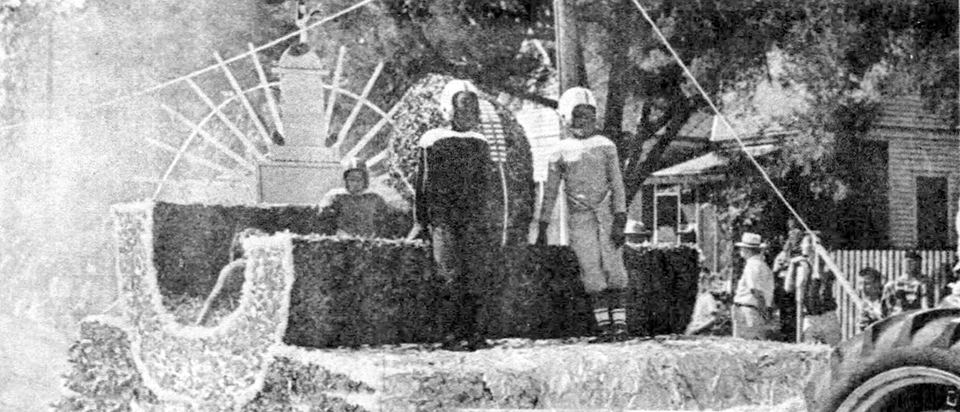
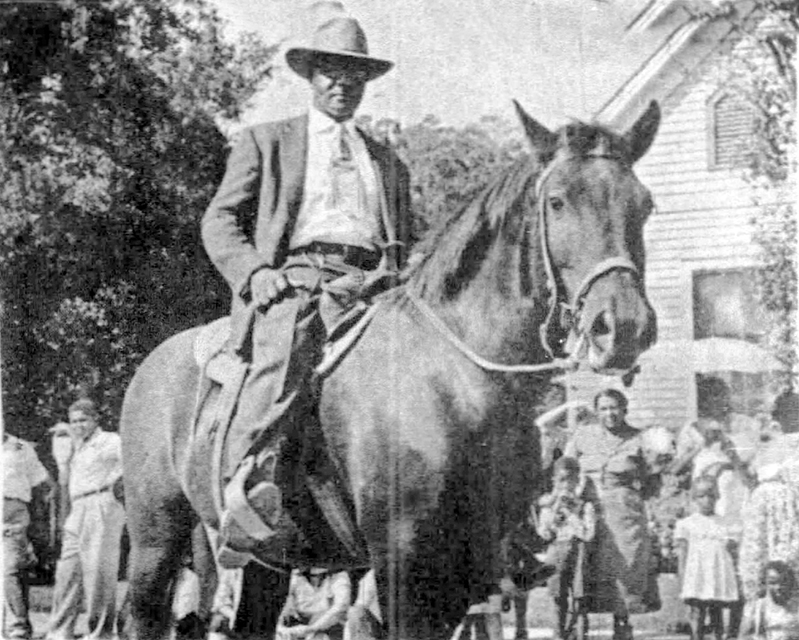
At the same time, others in the area began to realize the importance of Opelousas history to the community. Following the successful Yambilee Festival, started in 1946, many began to realize the significance of the town’s history and culture to the local economy. The Yambilee was a very successful harvest festival, that was the catalyst leading to further efforts at tourism development in the area. In the 1950s, an extensive study was done of the historic assets of the area. That led to the publication of a tabloid by the Opelousas Daily World in 1956 on the history of Opelousas and St. Landry Parish.
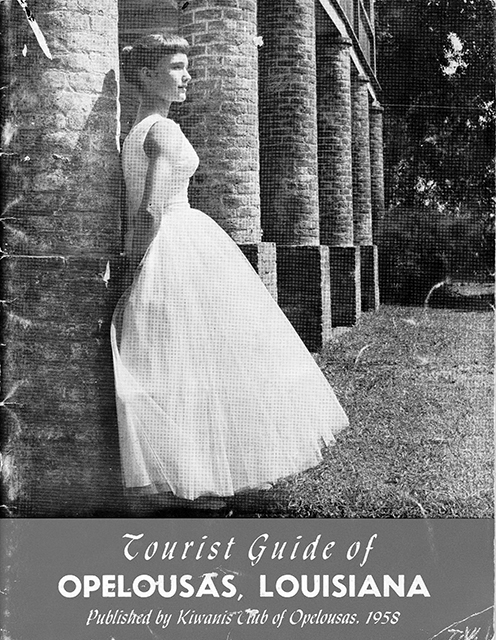
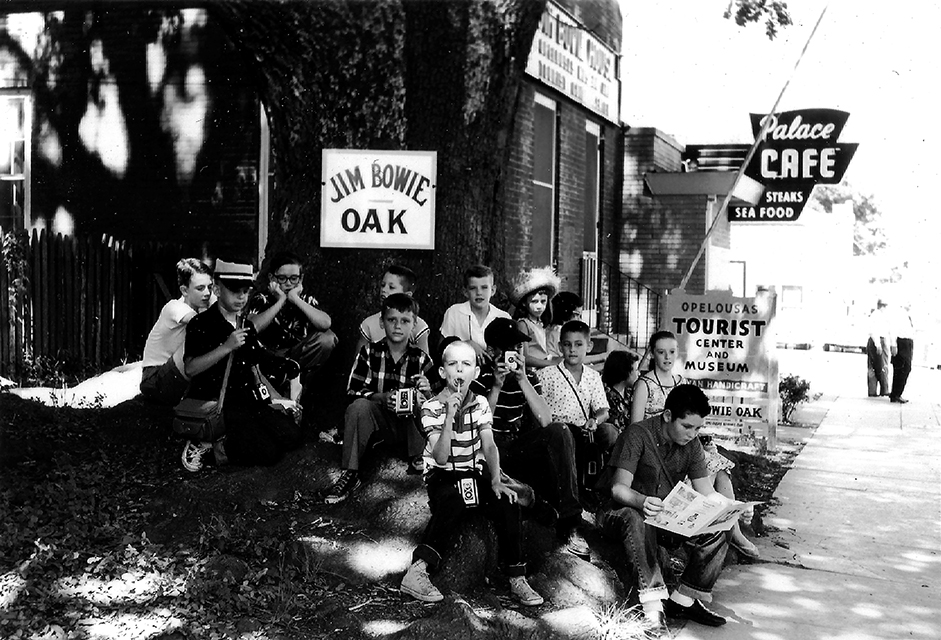
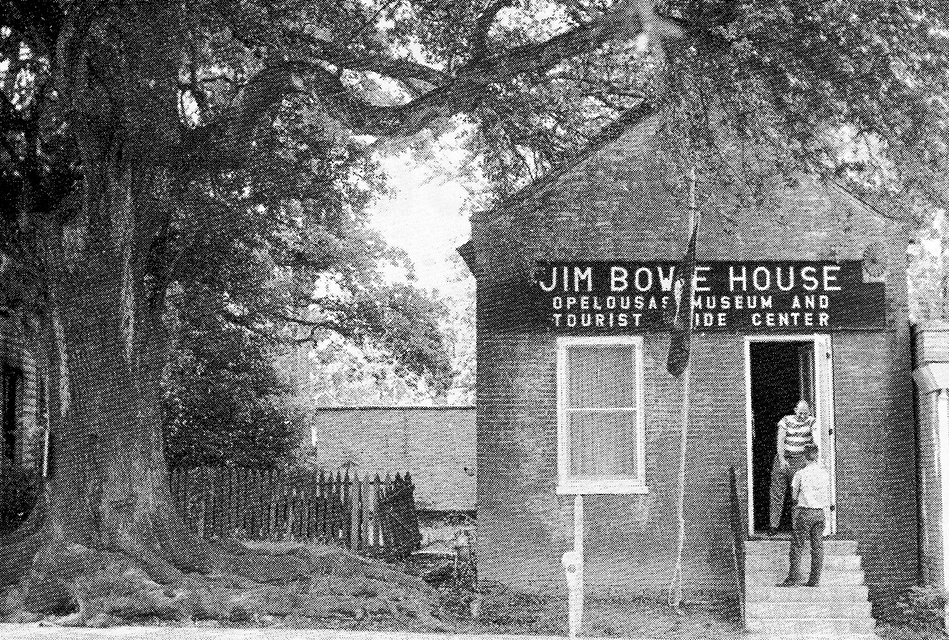
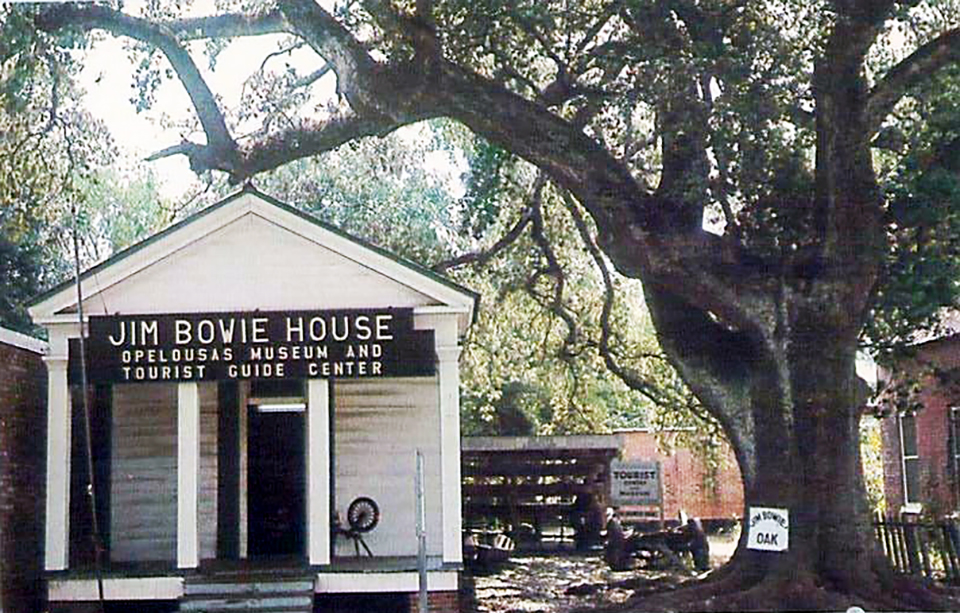
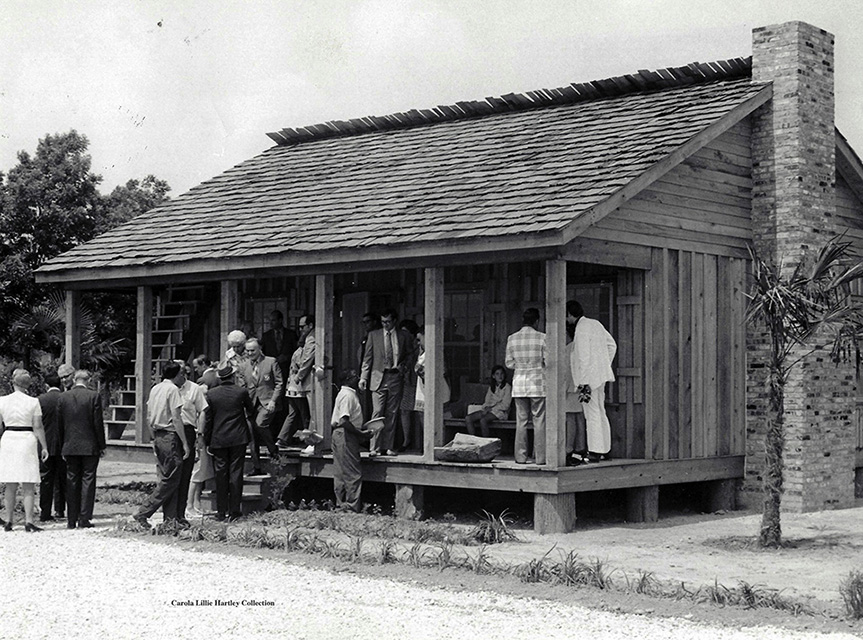
Following that publication more and more people began to appreciate the fascinating history of the town, and the great historic buildings in downtown. At the end of the 1950s, the Jim Bowie Museum was opened in downtown Opelousas. This facility attracted many tourists into the area. In the late 1950s, the Kiwanis Club of Opelousas put out a tour guide of Opelousas and surrounding area. An updated Kiwanis Tourist Guide was published for many years.
In 1970 Opelousas celebrated its 250th anniversary with a huge downtown party that lasted several days. The town was heavily promoted for many months prior to the event. There were special smaller events for weeks leading up to the main show, and there were contests and other fun activities as well. Thousands poured into downtown Opelousas and the anniversary celebration was a huge success. But even that great effort could not stop the exit from downtown.
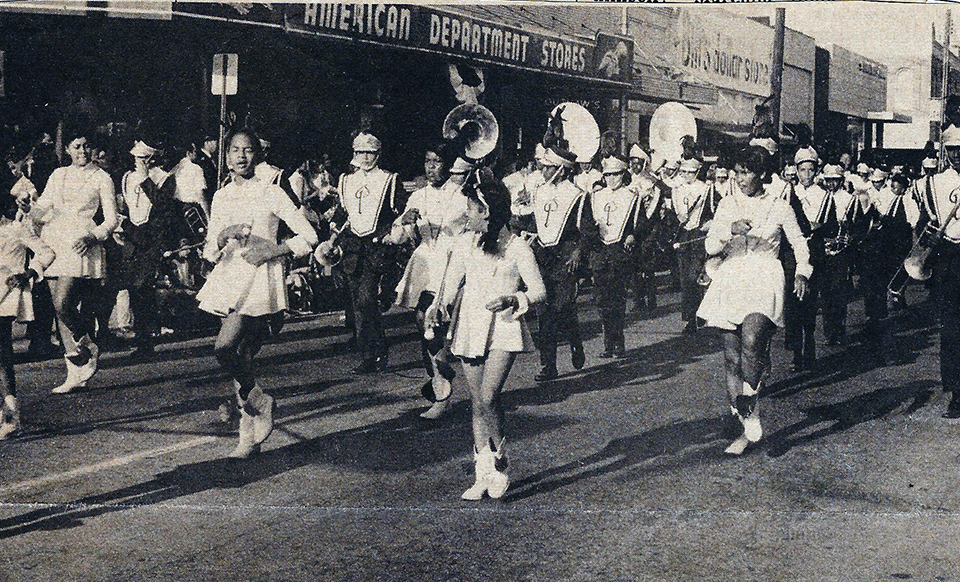
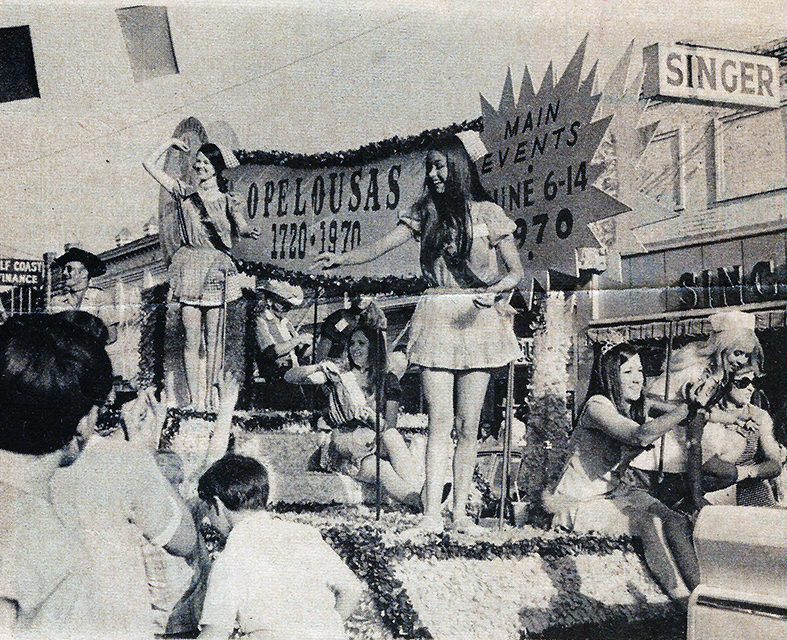
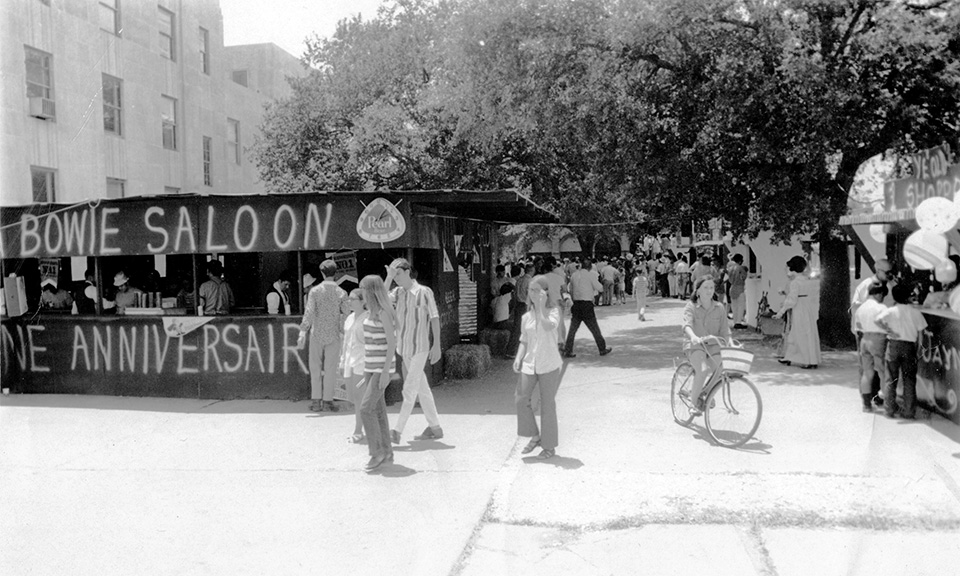
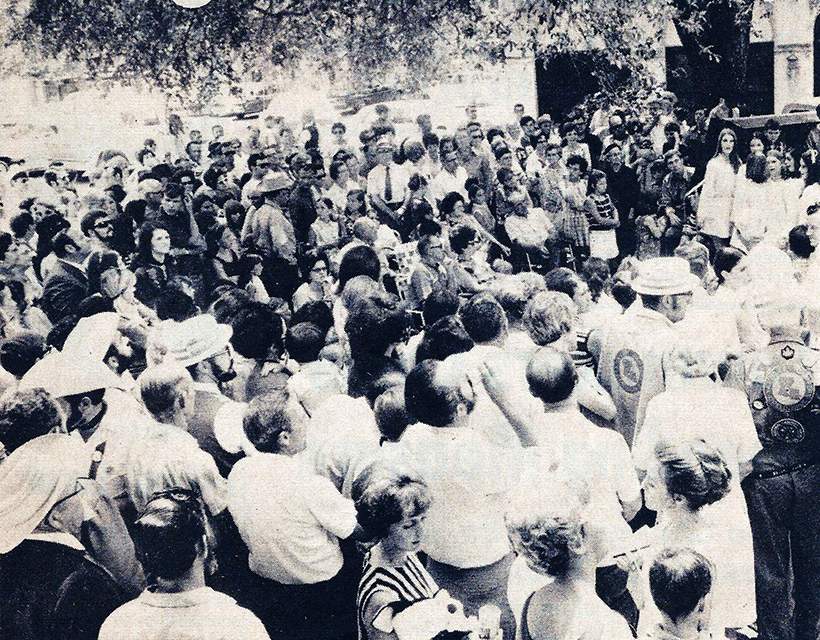
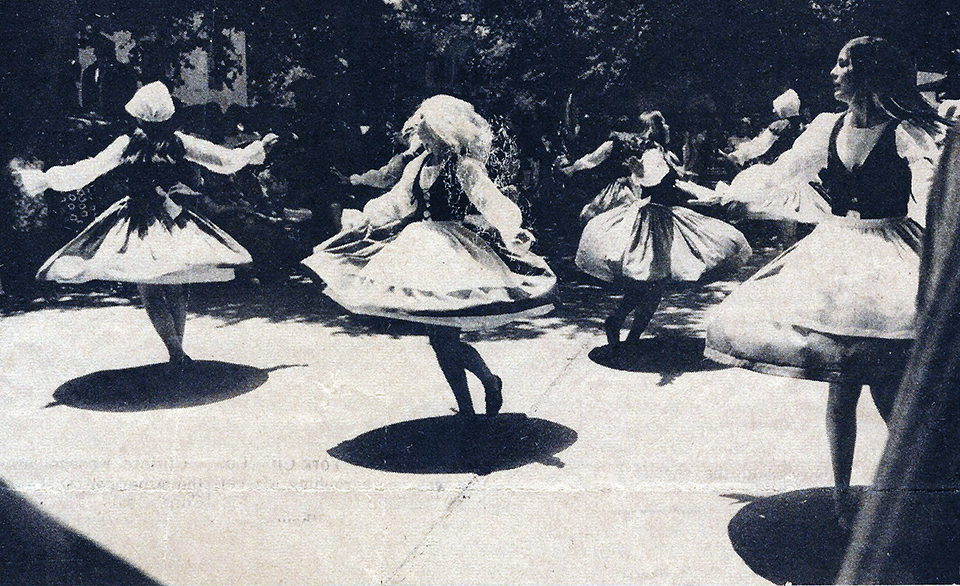
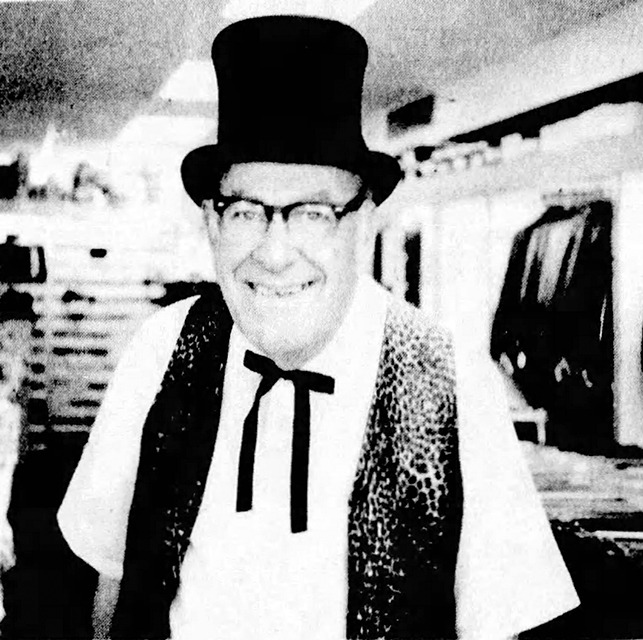
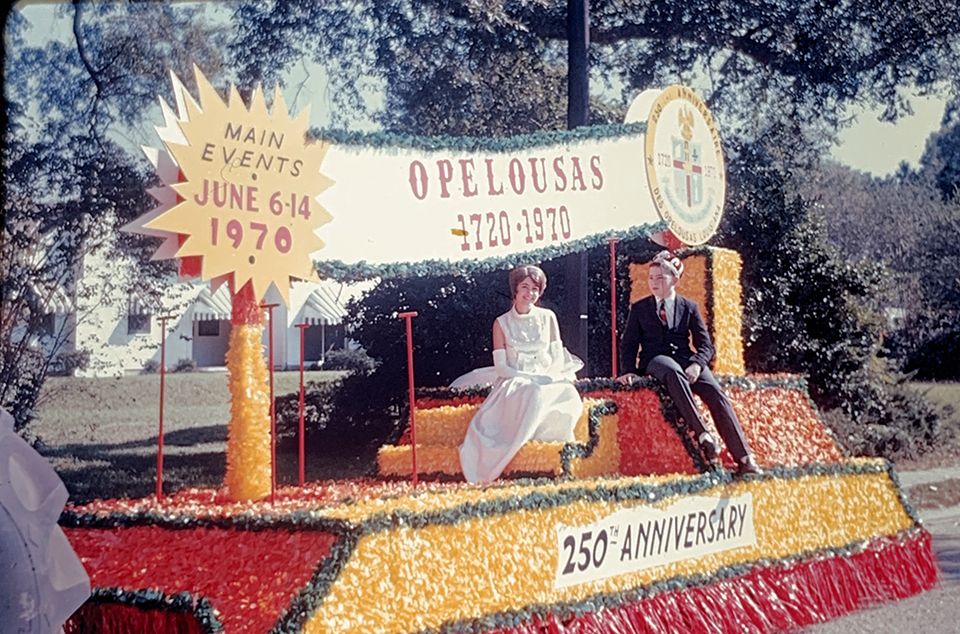
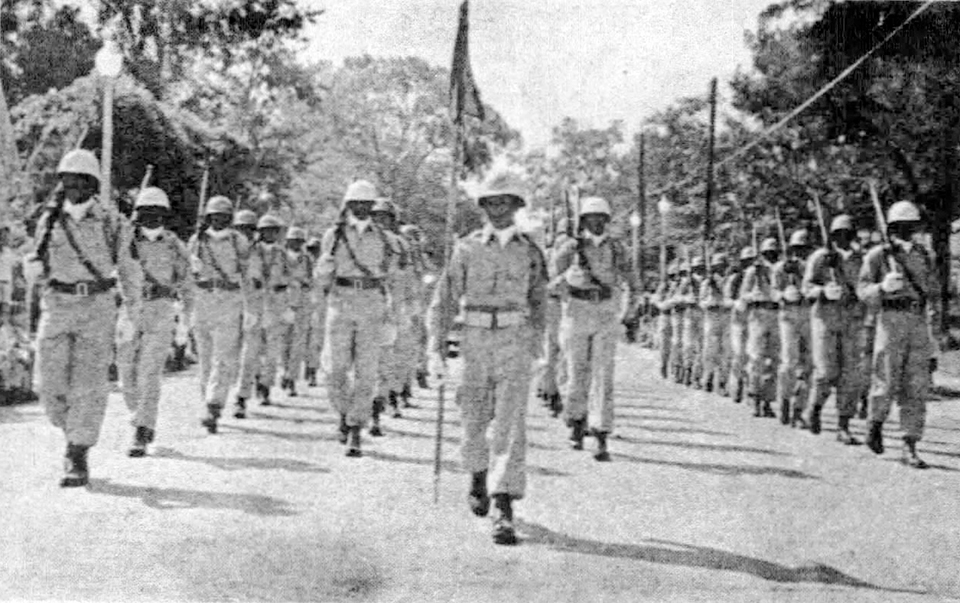
Opelousas held a 250th Anniversary celebration in downtown Opelousas and other areas of town in 1970, drawing thousands of visitors to the one of Louisiana’s oldest cities.
Loss of Post Office, Tourist Center and Museum
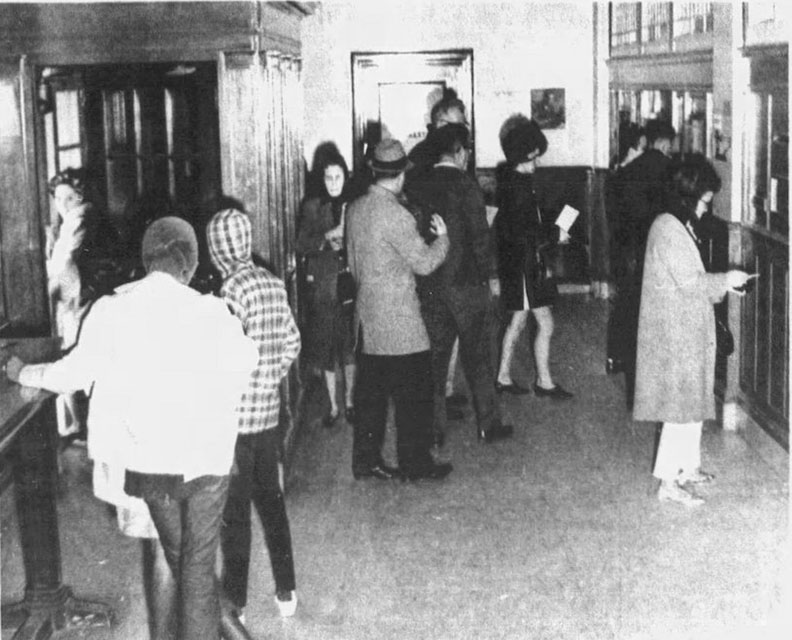
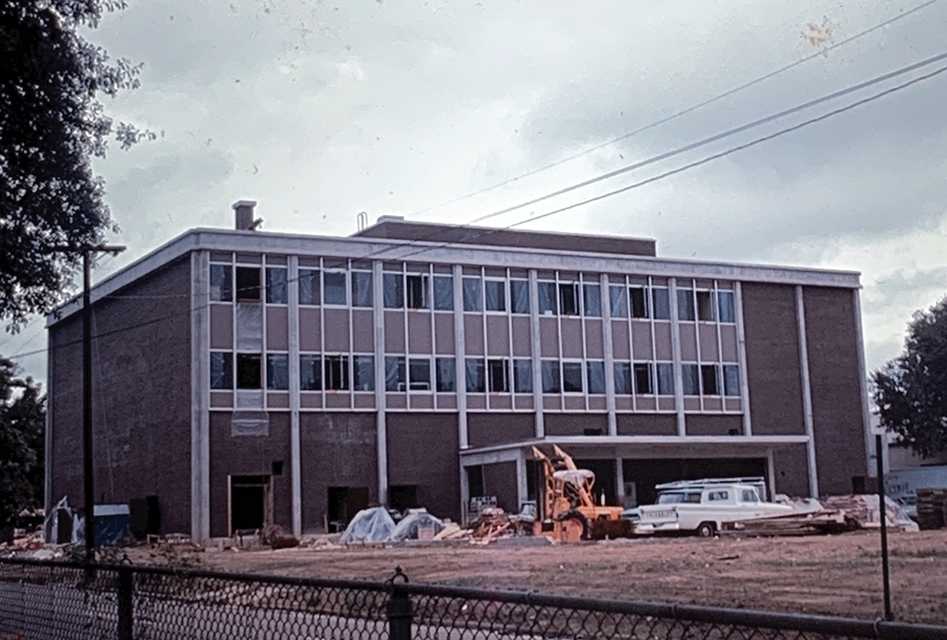
At about the same time this was happening, at the end of the 1960s and start of the 1970s, the historic post office building in the heart of the commercial district on Court and Landry streets was abandoned for a new building on Union Street. And in 1970, a new Opelousas Tourist Center was built on Highway 190 at the east entrance to the city. The Jim Bowie Museum was moved from downtown to that area. The moving of the post office, the museum and the tourist center out of the central commercial area, brought less and less traffic, and outsiders into that area. This hurt the mom-and-pop businesses that depended on that traffic.
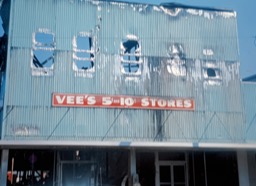
Soon hard times came to the Opelousas downtown. Residents began to keep up with the times and join the growing trend to move from the downtown area into what became known as subdivisions or “the suburbs.” It wasn’t long before more downtown businesses followed and relocated to strip shopping centers and malls near the new residential areas. Soon big box stores started to move in, and it became very difficult for the downtown mom-and-pop stores to survive. Slowly, little by little the remaining downtown businesses began to close, and as owners retired, no one was there willing and able to fill the empty storefronts. As some would say, downtown Opelousas hit its doom days.
Other Factors Effecting Downtown
Many other factors figured into the decline of the historic downtown, not just in Opelousas but in other towns as well.
Coming of Railroad, Arrival of the Automobile and the Highway System
When Opelousas was in its heyday, most of the town’s population lived in or close to the downtown and helped to support the local business and professional community. That gradually began to change with the coming of the railroad, and the “horseless carriage” to town.
Allie B. Pickett of Wisconsin brought the first automobile to Opelousas in 1900 when he moved here to start his telephone company. Soon others got their own cars that allowed them to be more mobile and travel to and from different places with greater ease and speed. It became fashionable to shop in other towns and other areas.
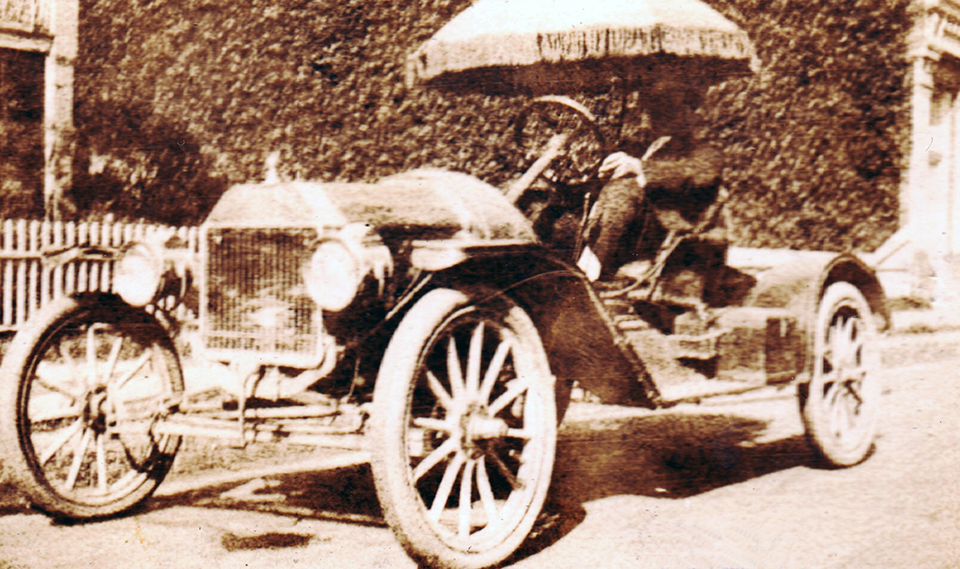
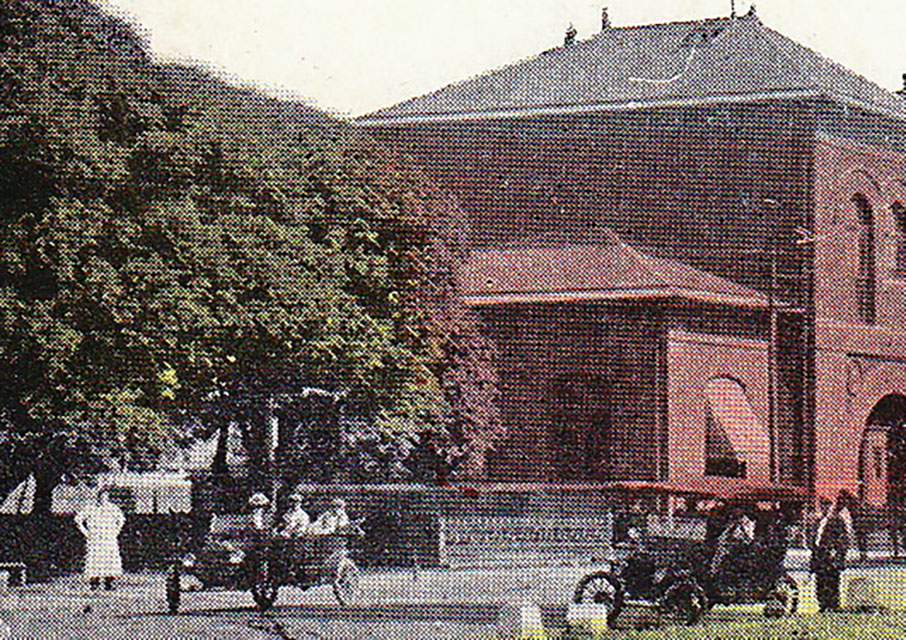
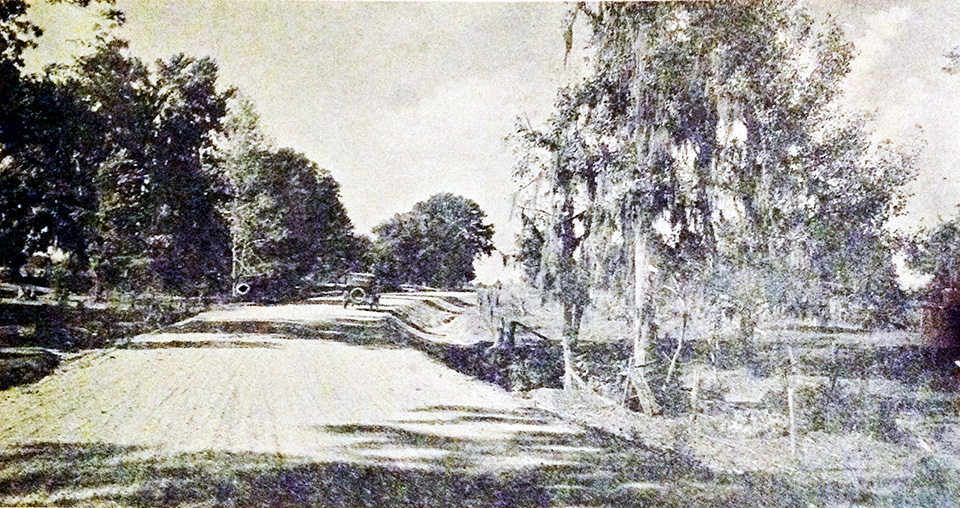
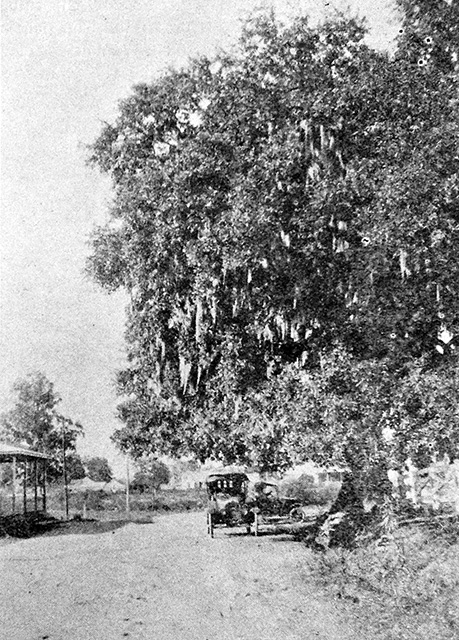
During the early 1900s and into the 1920s, the Good Roads campaign was the topic of discussion in Opelousas, Louisiana and the US. The first straight line highway through the Atchafalaya Swamp region from Opelousas to Baton Rouge was constructed in the 1920s. The Evangeline Highway, first known as Louisiana Route 7 and now known as U. S. Highway 190, ran east from Opelousas to Baton Rouge, LA. and west to the Texas state line. Day trips to other towns became easier and easier as the years went by.
After the end of WWII there was a push in the US to upgrade the national highway system. The Federal-Aid Highway Act of 1956, popularly known as the National Interstate and Defense Highways Act, was enacted on June 29, 1956, when President Dwight D. Eisenhower signed the bill into law. This law led to the start of the interstate highway system, allowing people to travel even faster and farther.
By the 1960s, four-lane highways and eventually, in the late 1960s and early 1970s, a four lane Highway 167, now I-49 (which by-passes the downtown), came to the Opelousas area. With the ability to travel to other areas in a short time, shopping became not just a necessity, but also an experience. It was trendy to discover new stores and buying opportunities in other places.
Traffic Congestion, One-Way Streets and Parking Meters
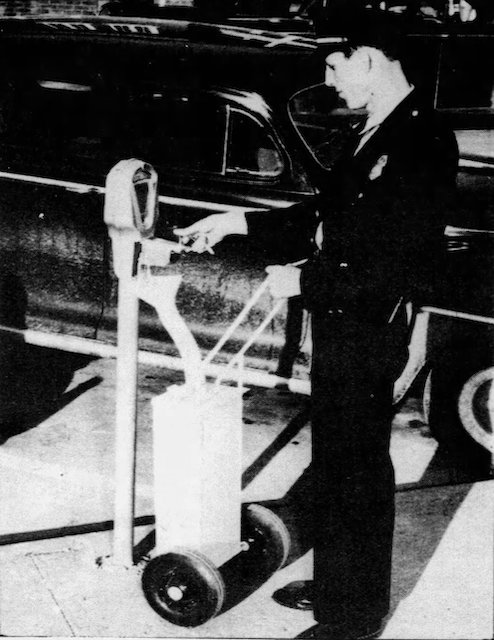
Following the arrival of the automobile to Opelousas, traffic congestion began in the downtown. To relieve that congestion, many of the main streets through the business section were converted to one-ways, starting with parts of Bellevue Street in 1942. The Opelousas City Council approved making Landry, Vine, Main and Union one-way streets in 1954. However, because of protests by local businesses, it was about four years before that happened. In many ways, this hurt local businesses as traffic would speed through town, no longer taking time to see what was there and to stop and shop the retail stores and other establishments. Also on January 1, 1949, shadowing a growing trend in other towns across the US, parking meters were installed in downtown Opelousas.
1980s Oil Bust
Another factor that hit Opelousas downtown hard was the great “oil bust” of the 1980s. Opelousas was not considered an oil town like neighboring Lafayette, but still a large number of people made their money either directly from the oil industry as employees, or indirectly, selling gas, services, clothes, food, etc., to oil industry workers. Big oil money turned over many times in Opelousas during the oil boom days. Most of the local businesses depended on that money. When the oil bust occurred, that just about killed the heart of the old Opelousas downtown.
Empty Commercial Buildings
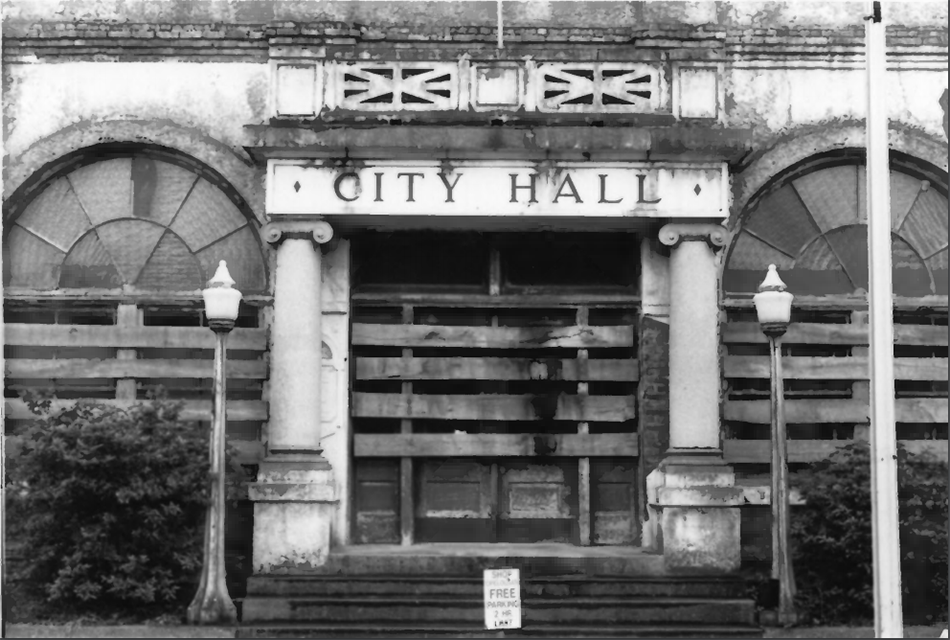
And, because no new businesses were filling the stores that closed or moved to other areas of town, buildings were sold to mainly out of town property owners who in most cases did not care what happened in Opelousas anymore. So, the buildings remained empty, many fell into despair, and the historic commercial area of the old village really declined.
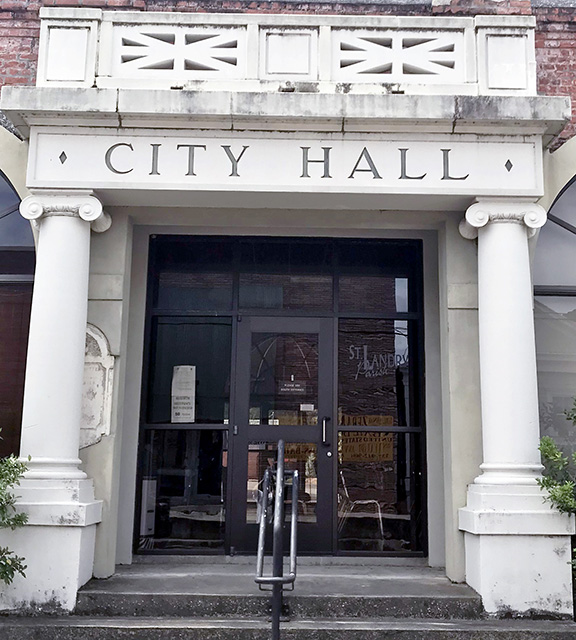
With all the empty storefronts, the look and appeal of downtown Opelousas began to fade. What was once a prosperous, wonderful place with beautiful architecture soon became an empty and almost deserted “old town.”
The Wrecking Ball Arrives
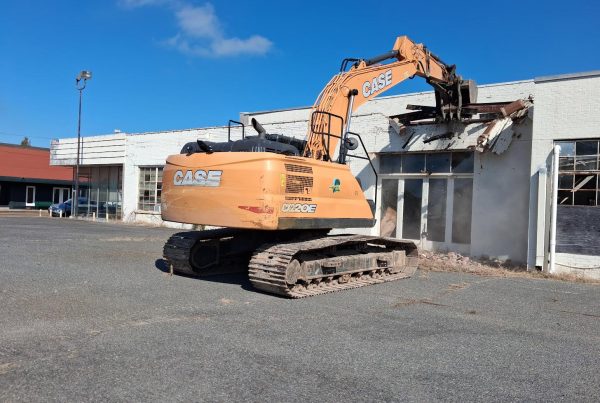
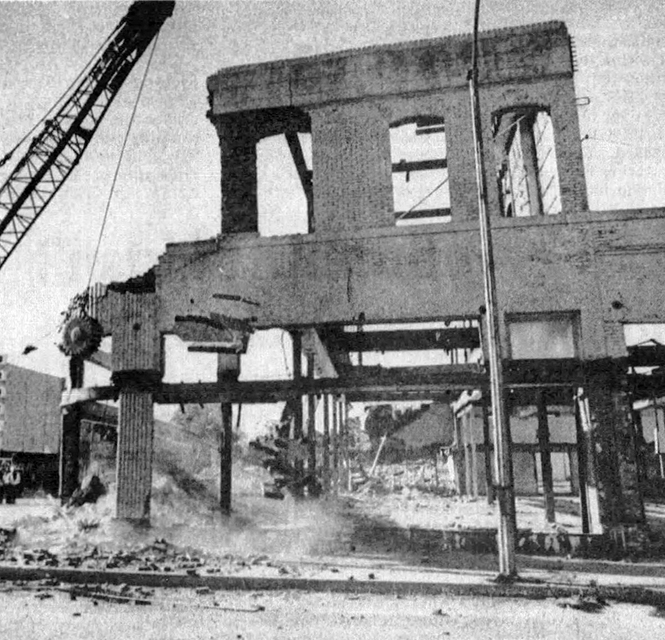
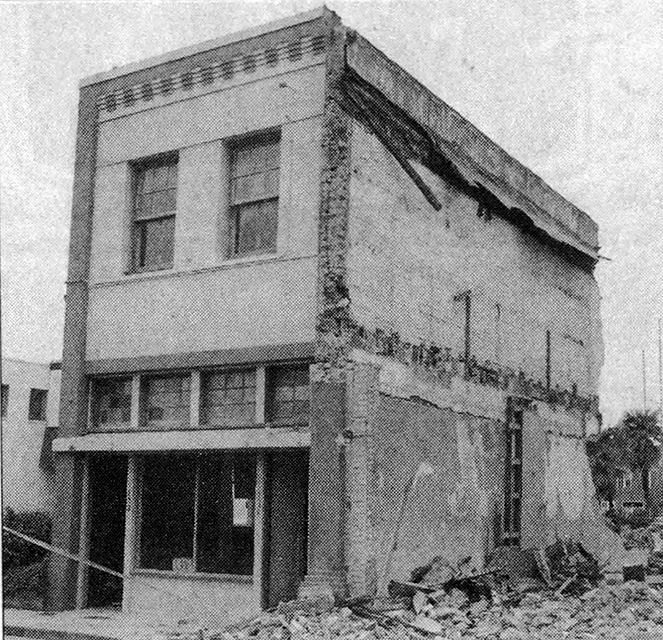
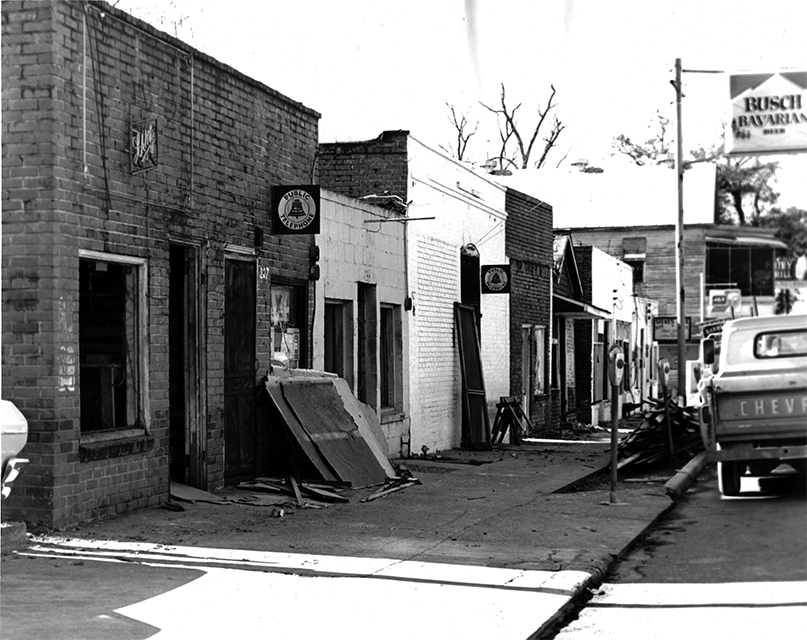
With no one willing to do business in the abandoned, in some cases boarded up buildings, the wrecking balls soon arrived, and the historic integrity and aesthetic charm of the old village was just about destroyed. The hope to bring back the downtown to the prosperous commercial center it had once been soon also faded. The community fathers realized something had to be done, and they knew the look of the downtown would never be the same.

And then this happened … (To be continued)