Addressing Female Homeless
BOBBY ARDOIN
St. Landry Now.com Editor
The calls for help arrive anytime — sometimes in the middle of the night — often from females with children, who are suddenly cast onto the streets.
Whether it’s battered women, sexual assault, drugs or other issues that stir the situation, Chastity Davis-Warren says finding temporary shelter for Opelousas women has become a huge problem.
A formerly run women’s shelter operated by the Lafayette Catholic Diocese now belongs to the city, which has spent nearly half a decade on rehabbing and defining a purpose for the building.
Ironically the former four-story building did recently house the homeless, as the former shelter became a temporary refuge for those who managed to break-in and find a place to sleep.
Davis-Warren currently helps assist four previously homeless women who have a combined 11 children that occupy two Davis-Warren owned houses.
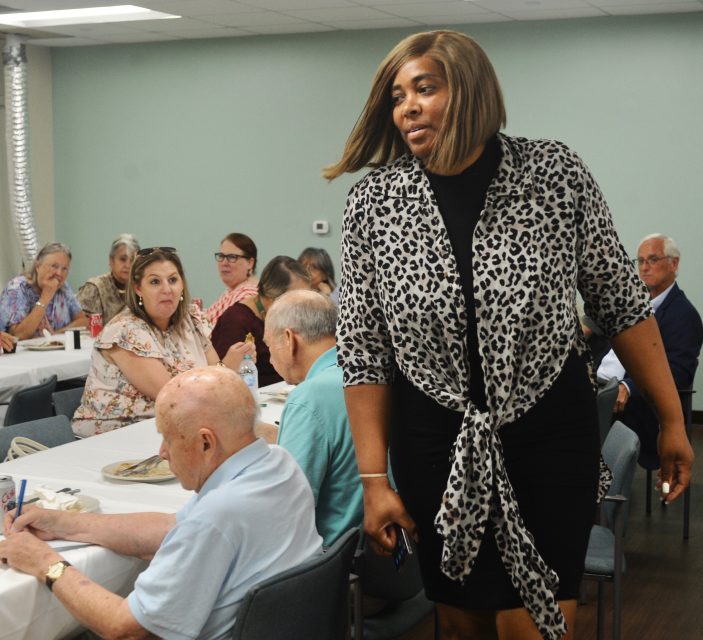
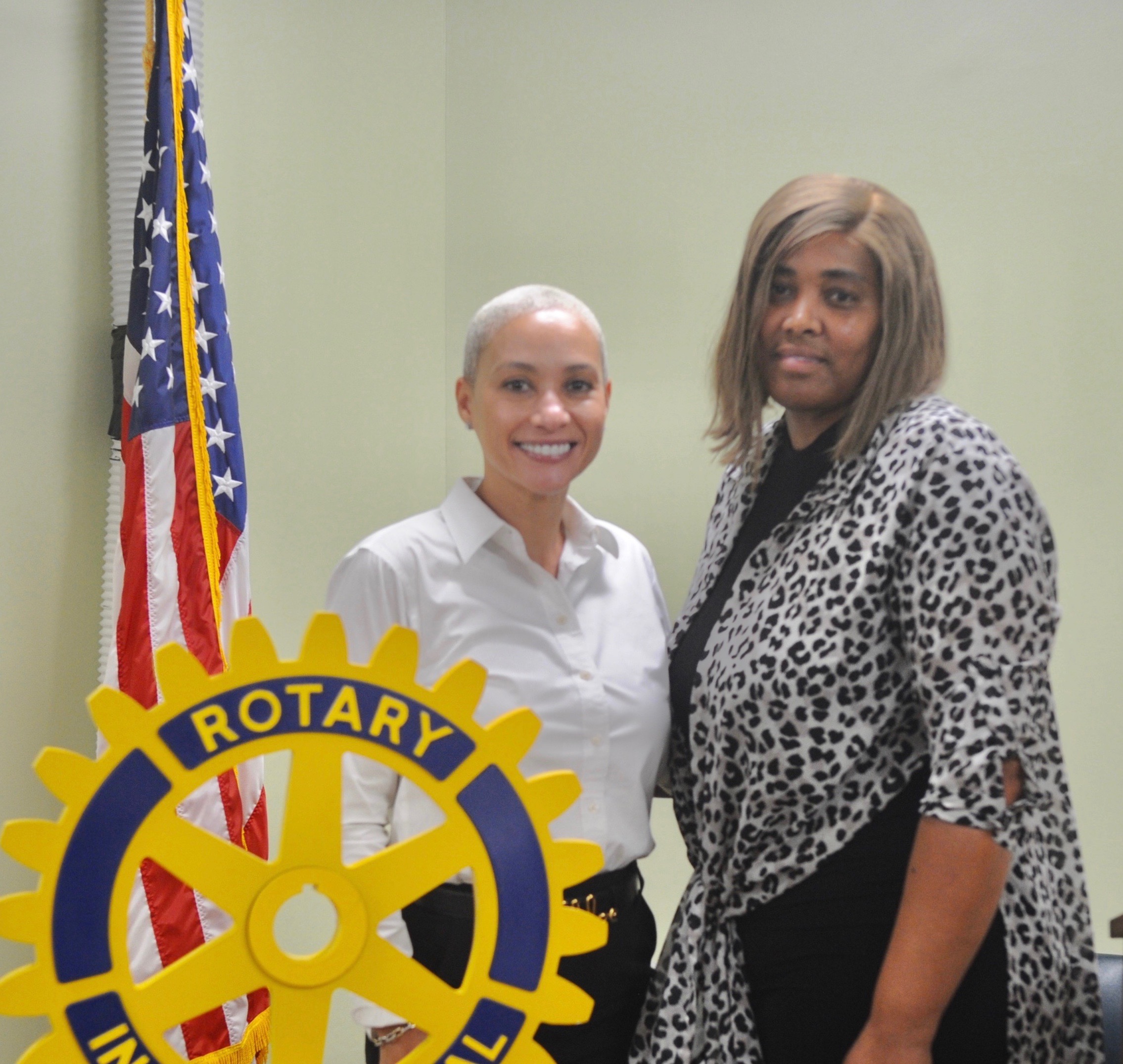
There are also two occupant pregnancies in the shelters, said Davis-Warren, who presented her attempts to reduce female homelessness during a Tuesday noon meeting of the Opelousas Rotary Club.
While there are several men’s shelters in Opelousas and Ward 1, Davis-Warren said, the same area of the parish has no established temporary shelters for women and their children.
“Our female homeless community needs facilities. It’s sometimes tiring, as I wake up most days at 5:30 and start cooking breakfast,” said Davis-Warren, a mother and foster parent who has eight children of her own to supervise in addition to those living in the houses she owns.
Despite the compounded problem of serving as a mother and an elected District E Opelousas alderwomen, Davis-Warren said sheltering and fostering is something that she loves.
Some of the shelter requests she receives originate from the Lafayette area, Davis-Warren added, since the shelters in that city are normally full.
“There is no funding right now in Opelousas for a women’s shelter. I do employ a baby sitter and my mission is giving something back to the city,” Davis-Warren explained.
The women who have lived in the shelter usually move on to find living spaces elsewhere, but while they are under the care of Davis-Warren there is a program for accountability.
“I meet with these women and we go over their plans. Everyone living there has to present a goal and we talk about that and have discussions. We want them to look forward,” Davis-Warren said.