THE ORIGIN OF THE
ST. JOSEPH’S ALTAR
Many years ago there was a severe famine in Sicily. The people turned to their patron, St. Joseph, and begged him to bring an end to the famine. Their prayers were answered!! As an act of thanksgiving to God, our Father, and to good St. Joseph, the peo- ple prepared a feast of food for the poor and needy. Each year on his feast day, March 19th, the people gratefully recalled being saved from the famine by sharing their blessings of food.
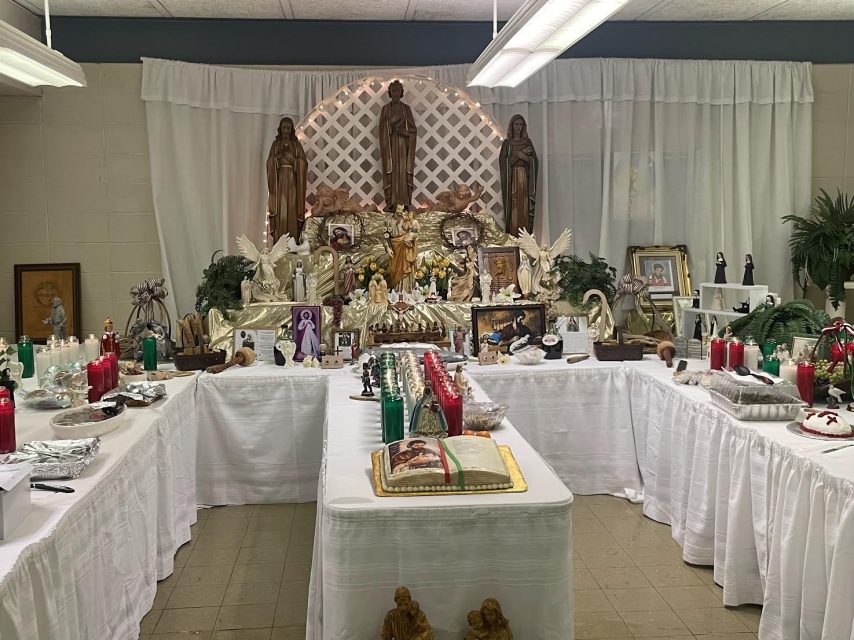
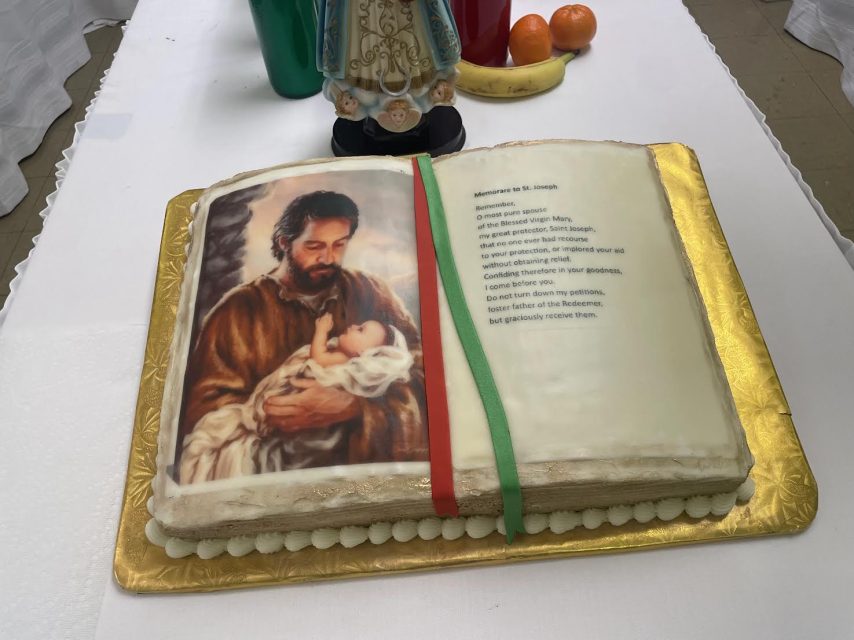
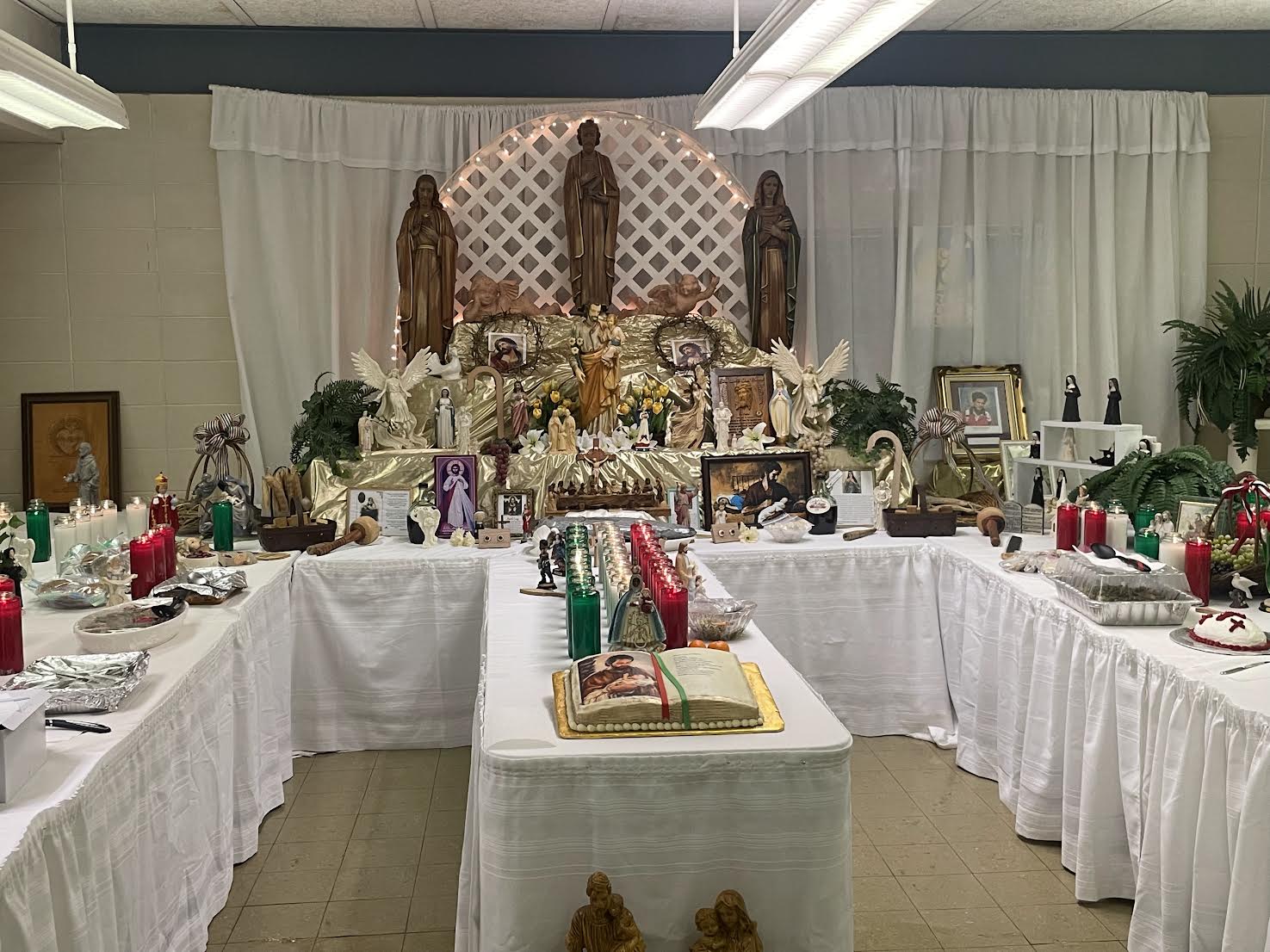
The Altar, bearing a statue of St. Joseph surrounded with candles, flowers and food became an annual tradition for the Sicilians. All the food was donated by the people, as an act of humility. In imi- tation of their humble patron, those who prepared altars went about begging for the food, like the poor were forced to do. They glorified in being able to say that everything on the altar was giv- en, making the St. Joseph Altar a gift of gratitude, love, and devo- tion from the surrounding community. This beautiful tradition of faith and gratitude has been passed on from generation to gener- ation and is continually increasing in popularity to this day.
The altar is now a votive of
Tatlade bos bool Hasa W W broqasi The altar is now a votive offering of love, labor, and sacrifice for a favor received in praise of our Divine Father and St. Joseph. The foods served are all and sea (NO MEAT is
Team
otros ob soy to algosq y wo ametlla hami wol
gifts from the earth placed on the altar).
The “Tupa Tupa” Ritual
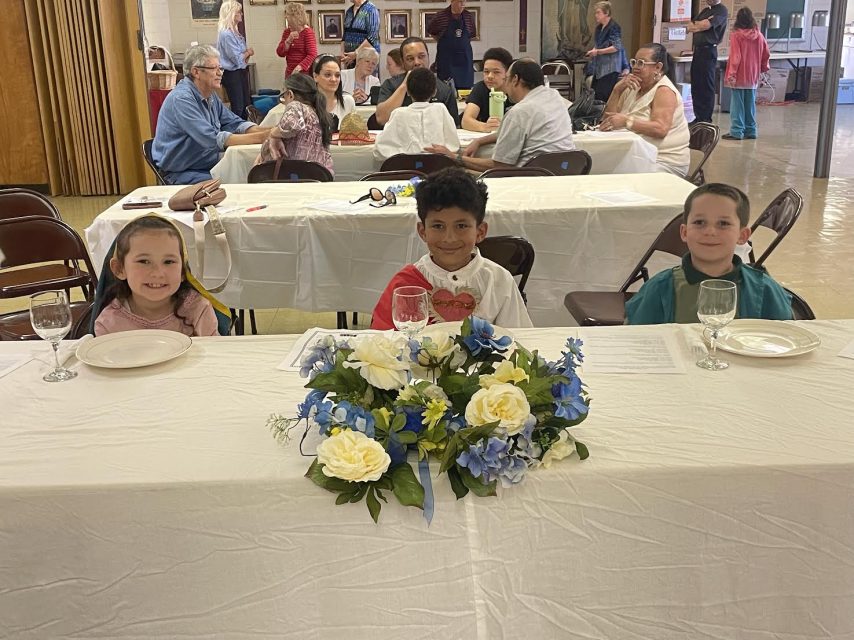
History: The custom of having three persons to represent the Holy Family has been continued in all parts of the United States where Sicilian-Americans honor St. Joseph. In the Louisiana tradition, the siants are depicted as being in search of food and shelter. Children are selected to represent Jesus, Mary and Joseph. Occasionally, extra persons are chosen to rep-
ccasionally, resent other saints or angels.