Human Trafficking Awareness
BOBBY ARDOIN
St. Landry Now.com Editor
Tom Mehire is spreading awareness about human trafficking and the problem he says, could exist closer than you think.
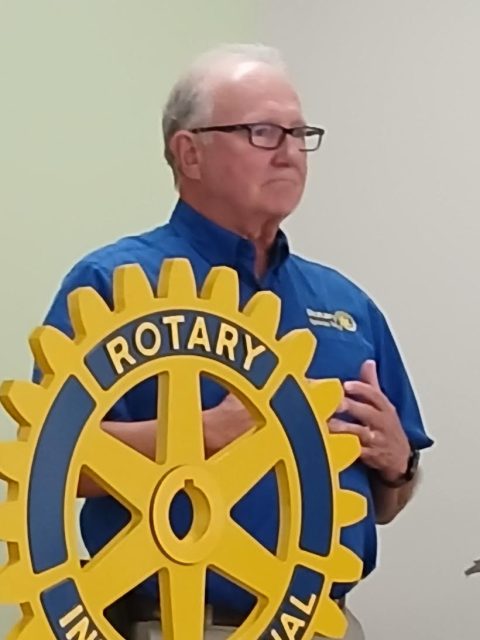
Mehire, a representative of the Opelousas Sunrise Rotary Club, told Noon Rotary Club members on Tuesday that the demographic composition of St. Landry Parish makes its local communities vulnerable for luring victims into the seeming inescapable webs created by traffickers.
According to statistics provided by Mehire, high poverty and single parenthood are factors that could provide a fertile recruiting ground for traffickers.
St. Landry, Mehire pointed out, has more than double the 12.5 percent nationwide poverty rate, while about 50 percent of St. Landry teens under 18 are living in single parent households
Often, Mehire said, children locally are living alone in households when a single parent is working late hours or perhaps several jobs.
Local authorities however have been responsive in efforts to provide more trafficking awareness.
Mehire said that conversations with parish school officials have been productive at making building level employees, counselors and nurses aware of the trafficking issue, while the Opelousas Police Department has agreed to provide awareness training.
The Sunrise Rotary Club, said Mehire, is applying for a $2,000 grant to purchase posters that will increase the number which have already been placed in school buildings, Mehire said.
Mehire invited similar financial assistance from the noon Rotary members in order to provide more posters.
Who Are Trafficked?
It’s a misconception, Mehire said, to assume that trafficking victims are procured while they are on the streets.
Trafficking victims used for commercial sex or labor are normally 12-14 and some in the age group are trafficked by family members who have access to the minors inside homes, Mehire pointed out.
When children suddenly go missing, it could mean that one of them has been snared by a trafficker, Mehire added.
“(Trafficking) is the second biggest criminal industry in the world behind drugs,” said Mehire. “There is also a chance that one in five young persons could be approached by a trafficker,” Mehire pointed out.